Fifty Years Since the Demise of that Very British Marque – Wolseley
In September 1975, British Leyland decided that the Wolseley brand was past its use-by-date. Only one model now wore the famous name up in lights, the wedge-shaped replacement for the BMC Land-Crab 1800.
Frederick Wolseley emigrated to Australia in 1854 and helped create mechanised sheep shearing equipment. He started the Wolseley Sheep-Shearing Machine Company which subsequently went broke in the 1890s, but not before employing Herbert Austin. They both went back to England where Austin helped build the first Wolseley car, a three-wheeler in 1896, then the four-wheeler in 1899 before starting his own motoring empire.
Through a number of take-overs, the Wolseley Tool and Motor Car Company became one of the largest manufacturers by 1913. The forerunners of Isuzu were Wolseleys built under licence from 1922 in Japan. By 1926 the British company had gone bankrupt. It was rescued by William Morris and the marque was known for its unpretentious quality, appealing to the more affluent motorists who saw them as a step above a Morris. By WW2, they were becoming a badge engineered Morris. The Wolseley factory turned out Bren Gun Carriers, shells, mines and aircraft parts for war service.
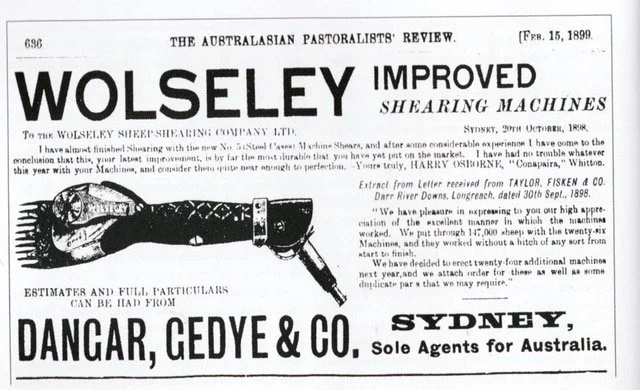
1899 Advert
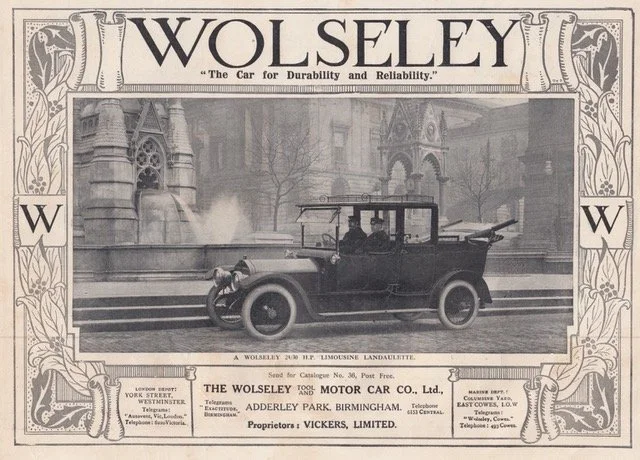
1913
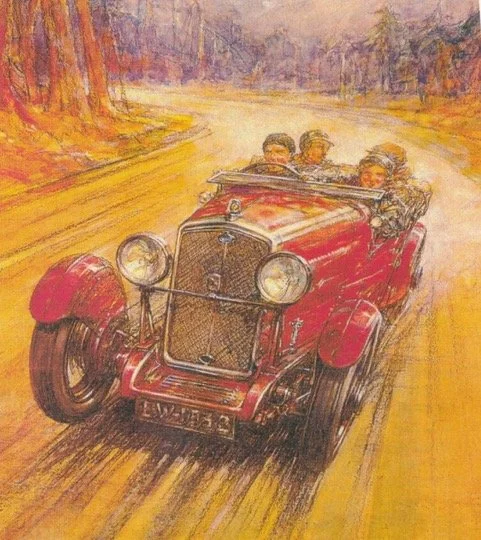
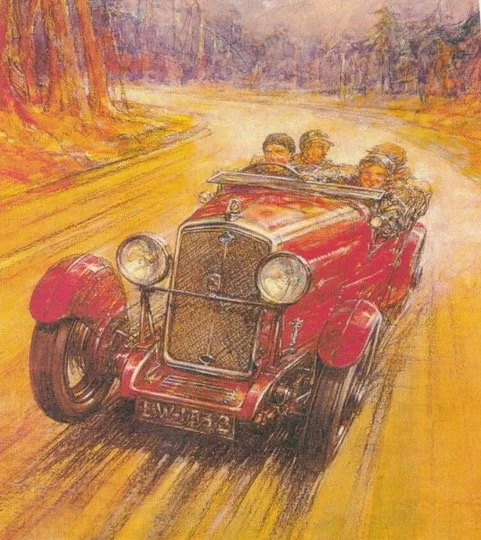
1932 Wolseley Hornet
By 1952, Austin and Morris had amalgamated to form BMC, with the Wolseley continuing as an up-market marque, even though it shared bodies and engines with others in the Corporation. The larger models were competitors for the likes of Humber and Rover, while the smaller ones retained a more expensive image compared with Austin and Morris products. The authorities discovered that models like 6/80s and 6/90s made great police vehicles.
Many people dismiss them as badge engineered Austins and Morrises, but they were charming, complete with leather interiors, carpets and wooden dashboards adding to their appeal. The most popular was the 1500 produced between 1957 and 1965 with over 100,000 made. I owned one of these delightful cars and I really regret selling it. A mate had one in England, and the two of us drove this twelve year old from London through Central Europe to Moscow, far-northern Norway and back without a moments’ trouble.
Wolseley was well known in this country, particularly in the BMC days. One model unique to this country was the 24/80 based on the six-cylinder Austin Freeway. It was the last Wolseley sold here, making way on the assembly lines for the Austin 1800. The South Africans produced their own version of the Mini – Wolseley front with the rounded Morris tail and doors with wind-up windows imported from Australia.
One particular item made the Wolseley unique in the world – from 1933, the radiator badge was illuminated when the lights were turned on. Disconcerting for speeding motorists when they saw one of these in their rear-view mirrors. They were rarely used in motor sport, although the Hornet of the early 1930s gained a reputation for being quite a performer.
After a series of various Wolseleys based on the Mini, 1100, 1800 and Farina models, the range was pared down to one model with the introduction of the wedge-shaped so-called 18/22 Series in 1975 replacing the Land Crab 1800. Along with similar Austin and Morris versions, at a time when British Leyland was declared bankrupt, the whole range was given the Princess name, thus making Wolseley redundant. About 3000 ‘Wedgeleys’ were produced, and these still had all the attributes that were symbolic of the car with its name up in lights.
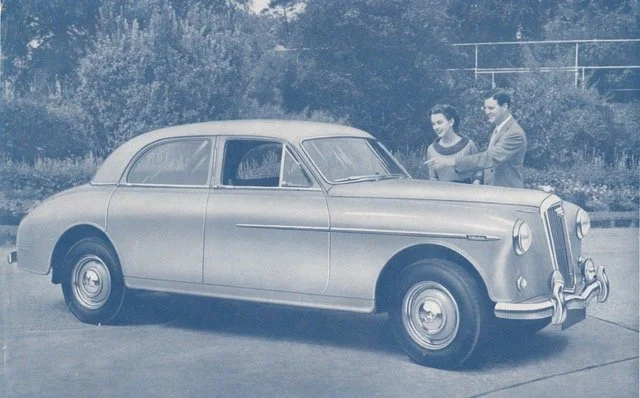
1954 Wolseley 6/90
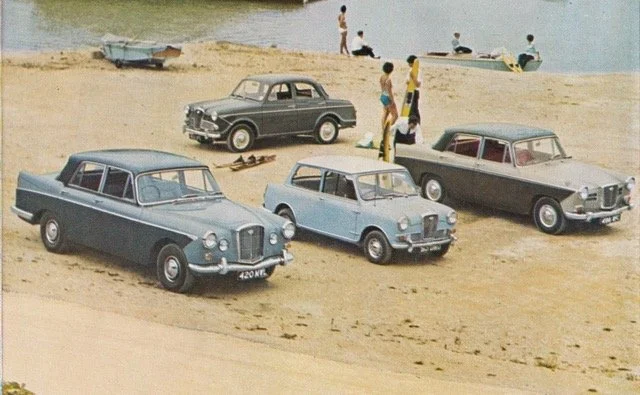
1964 Wolseley range - from left, 6/110, Hornet, 16/60 and 1500 at the back.
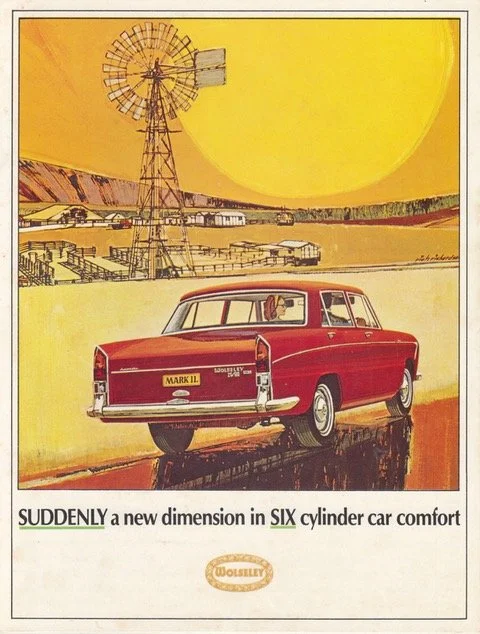
1964 Ad for the Australian 24/80.
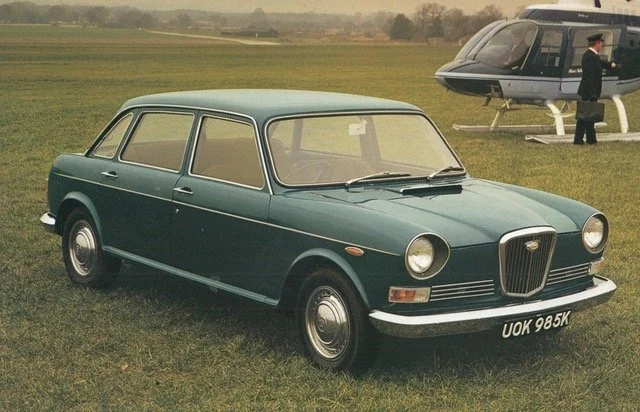
1972 Wolseley Six - based on the Land Crab Austin 1800.
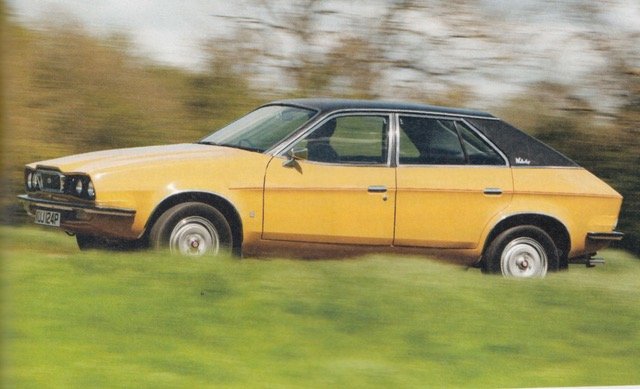
1975 Wolseley - the last of the breed.
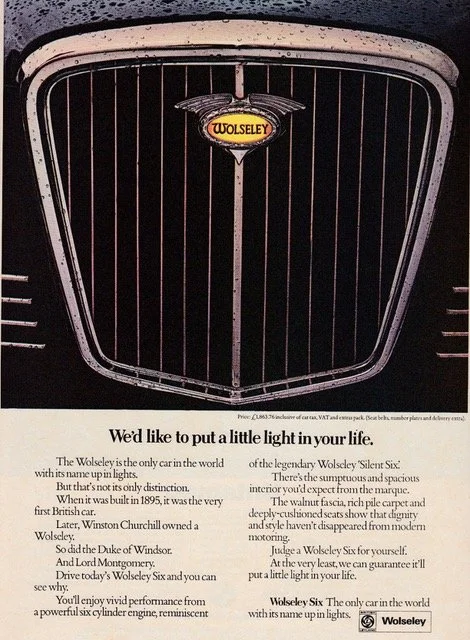
1973 Ad promoting ite Wolseley name ‘up in lights'.
Nairn Hindhaugh ©